







A Gospel-centered, Denomination free, Missional church in Bangalore
Vision
Mission
Exalt. Edify. Evangelize.
We exist to bring glory to God by exalting the Triune God, edifying believers through the faithful teaching of the Bible, and evangelizing those who have not heard the good news of God.



Guiding Principles
The following four values are the guiding principles of Crossroad Church. They come from Acts 11 after the Church at Antioch.
Breaking down barriers
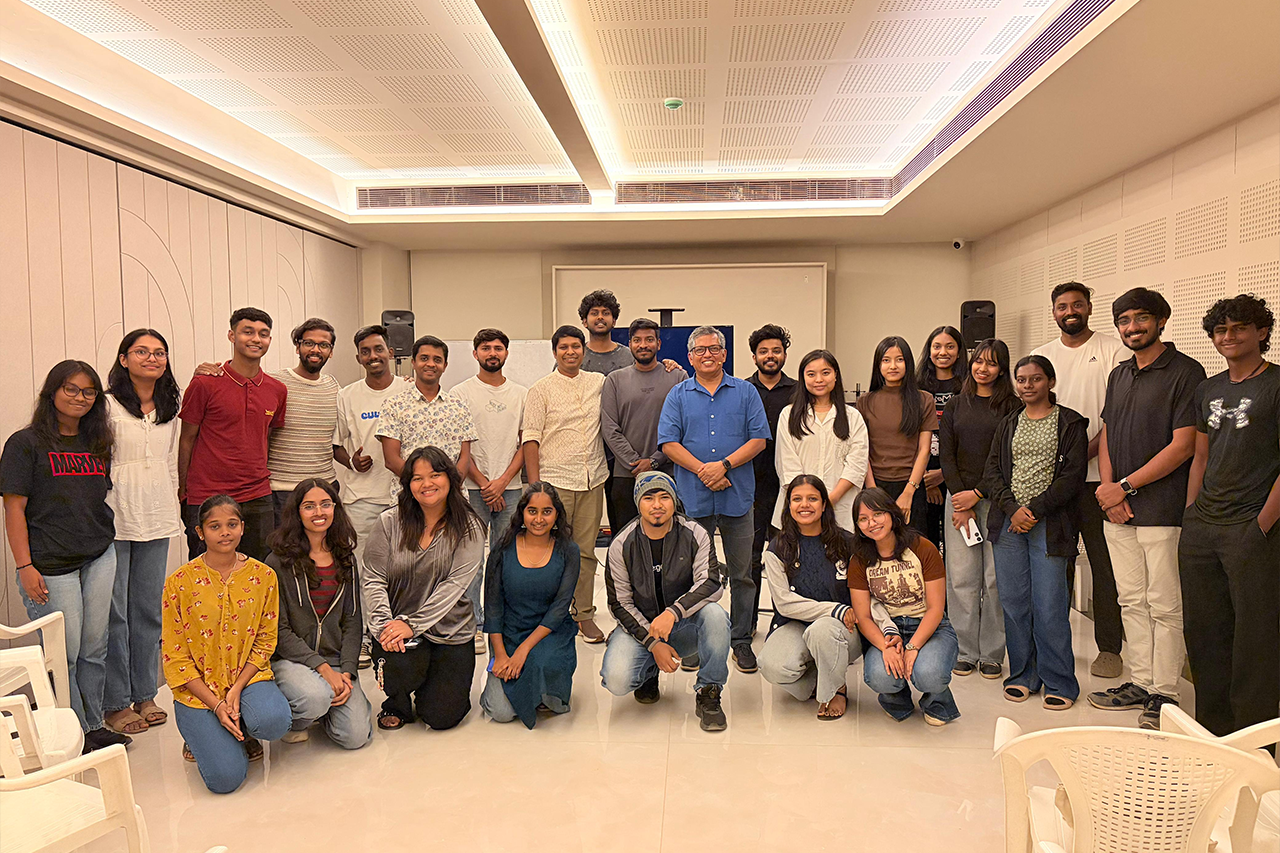
Crossroad Church is a community of believers who come from various cultural, linguistic, economic, age, and racial backgrounds. The church celebrates all the differences but unites under Jesus Christ. This value comes from the Church at Antioch (Acts 11:19-21).
Gospel Centered in all dealings
Crossroad Church consciously avoids any legalistic tendency and avoids Galatian heresy. We believe that we start with God’s grace, continue with God’s grace, and end with God’s grace. God has granted access to Him through Jesus Christ, our mediator. We can never bypass Jesus Christ to reach the Father. Our teaching, preaching, and lifestyle follow the Gospel filled with grace and restoration.
Deeply biblical
We believe that the Bible is the Word of God, and it is the deposit of God’s teaching for the believers. Preachers and teachers need to work hard by understanding words, structures, grammar, language, context, culture, etc., by using relevant tools to understand the mind of both human and divine authors. In the attempt, we avoid putting meaning into the Scripture but taking meaning and message from the Scripture. Therefore, the preaching is guarded by avoiding opening it to unfamiliar preachers or teachers. We believe that God continues to speak through His expounded Word!
On Great Commission with an emphasis on new church plants
The Crossroad Church believes in the growth of the church. Participation in the Great Commission is one of the main evidences of the church’s growth and discipleship. Jesus Christ entrusted the preaching of the Gospel to the local churches. Therefore, for Crossroad Church, being on the Great Commission is not an option but a mandate!
Doctrinal Convictions
The Bible
The Bible
We believe that all sixty-six books that comprise the Bible are the Word of God. The Bible is inspired (God-breathed) and is therefore without error in the original documents (2 Timothy 3:16). It is the complete revelation of God’s will for the salvation of men, and it is the divine and final authority for all Christian faith and practice.
God
God
We believe in one God (Deuteronomy 6:4), Creator of all things, infinitely perfect. God has eternally existed in three Persons – Father, Son, and Holy Spirit (2 Corinthians 13:14; Matt 28:19-20). God created all things out of nothing, and He sustains as well as actively governs all His creation for His good purposes.
Salvation
Salvation
We believe that the substitutionary death of Jesus Christ on the cross, His atoning blood shed on behalf of us, and His resurrection from the dead provide the only ground for justification and salvation for all who believe (Hebrews 9:22–28; Romans 4:25). Only those who, being born of the Holy Spirit, receive Jesus Christ, become the children of God (John 1:10–13; John 3:5–8).
The Crossroad Church subscribes to a “Reformed Soteriology.” In humility, we accept the doctrine of sovereign unconditional election to be true. Though there are aspects of this doctrine that are mysterious, we wholeheartedly believe and teach all that has been clearly revealed in the Scriptures while relying on the Spirit of God to help us understand it better as we grow in our faith. The doctrine of God’s Sovereignty in all things including salvation, is not purely an intellectual exercise but has practical bearings on the life of a believer, especially providing assurance and comfort in times of trials. Acceptance of this doctrine is not a prerequisite to become a member or leader of this church. Albeit, we encourage our members and leaders to study the Scriptures with an open mind and prayerful heart, trusting the Lord will reveal all truth in His time and according to His will.
Further,
- We believe that a person is saved once and for all when they truly repent and make a sincere, Spirit-enabled profession of faith in Christ as Lord and Saviour. Therefore, there need not be any further effort made to perfect or complete this salvation. In other words, we do not believe in a two-stage salvation.
- We believe that a person who is truly born again does not lose his salvation. The Crossroad Church believes in the security of a believer’s salvation (Phil 2:5-7; 1 Cor 1:8-9).
- A person is saved/justified by grace, continues/sanctified by grace, and is glorified by grace. We do not believe that sanctification is the sole work of a believer and thereby, we do not insist on outwardly changing human behaviour. We do believe that in sanctification, the believer is called to respond in obedience, but on the basis that it is the grace of God that enables this response and obedience (Phil 2:12-13).
- The ultimate purpose of a believer is to bring glory to God and enjoy His relationship with Him.
Jesus Christ
Jesus Christ
We believe that Jesus Christ is the eternal Son of God who became a man at His incarnation. As such, He is true God and true man. He lived a perfect and sinless life, died on the cross as a substitutionary sacrifice for us and our sins (1 Corinthians 15:3; 20:24–29), was bodily raised on the third day, and ascended into heaven (Acts 1:1–9). He is now at the right hand of God the Father (Colossians 3:1) and is our High Priest and Advocate (Hebrews 7:25-26; 1 John 2:1; Philippians 2:5–7). He will come again to judge all people, living and dead, unto eternal life or eternal condemnation (John 5:22-29).
Holy Spirit
Holy Spirit
We believe that the Holy Spirit is eternal (Gen 1:2; Job 33:4), all-knowing (1 Cor 2:10-11), present everywhere (Psalm 139:7-11), and one of the Three in Godhead (Matt 3:16; Matt 28:19-20; 2 Cor 13:14). The Holy Spirit is neither inferior to the Father or the Son nor separated from them (Matt 3:16; Matt 28:19-20; John 14:16; John 14:26; Acts 2:17; Acts 2:33; 2 Cor 13:14). Just as the Father and the Son have been active, the Holy Spirit has been active from the beginning of history—to name a few: creation (Gen 1:3; Psalm 104:30), revelation (2 Sam 23:2; 2 Peter 1:20-21), and special missions (e.g., Exod 35:30-31).
The descending of the Holy Spirit on the Day of Pentecost on the followers of Christ marked the beginning of the Church and inaugurated the reign of Jesus Christ on those who believe in His birth, death, burial, and resurrection (Acts 2:17; Acts 2:33). The Holy Spirit seals (2 Cor 1:22; Eph 1:14) a believer at the time of conversion. The “seal” refers to Jesus’ ownership of the believer. The Holy Spirit helps the individual or the local church to:
- Grow in one’s relationship with Christ (John 14:26; John 16:8; John 16:13)
- Understand the whole truth of the Gospel (1 Cor 2:10-13; 1 Tim 4:1-3)
- Spread the Gospel (Acts 1:8; Acts 13:1-13; Acts 16:6)
- Be spiritually fruitful (Gal 5:22)
The phrase “baptism of the Holy Spirit” (Mark 1:8; Acts 1:6) means “eschatological forgiveness” to those who believe in the birth, death, and resurrection of Jesus Christ. The baptism of the Holy Spirit does not take place more than one time—it happens at the time of one’s conversion. In the same way, the phrase “filling of the Holy Spirit” simply means “yielding to the control” of the Holy Spirit. Therefore, it does not mean “more” of the Holy Spirit. The Crossroad Church does not teach its members “second baptism” as a doctrine due to lack of Scriptural evidence.
Creeds
Creeds
We subscribe to the Apostolic and Nicene Creed. However, we have made a minor change in the Nicene Creed regarding the ordinance of baptism to read as follows: “We acknowledge one believer’s baptism to testify publicly one’s internal transformation because of the Gospel.”
The Church
The Church
We believe that the Church is the community of those who have placed their faith in Christ, have had their sins forgiven, and have a new life through the Holy Spirit. All believers are placed by the Holy Spirit into the Church, also called the Body of Christ. Local churches are a visible expression of this Body. The local church is a gathering of believers in a particular geographical area for the purposes of worship, prayer, the Lord’s Supper, service through the use of one’s spiritual gifts, and caring for one another. The Crossroad Church seeks to apply the various truths of the Gospel in all areas of both private and church life. Hence, we identify as a Gospel-centred church.
We believe in the priesthood of all believers, which implies that believing men and women are equal in their spiritual status by virtue of being in Christ. They have equal access to God and are both gifted by God to play a vital role in the life and mission of the church. We also believe that the Scriptures, in keeping with God’s creation-design, reserve the office of the elder for men (1 Timothy 3). Thereby, we are generally inclined towards male servant-leadership when it comes to leadership roles within the church.
Man
Man
We believe that man was created in the image of God (Genesis 1:27) but fell into sin (Genesis 3) and is therefore eternally separated from God and under condemnation (Romans 5:12–21), which is death and eternal death. On his own, man cannot save himself from his predicament. Therefore, he was in need of a Savior to save him from the punishment and re-establish his relationship with God. Jesus, the Second Person in the Godhead, is the Savior who rescues man from his helplessness and re-establishes him back to God. We believe in the substitutionary death of Jesus Christ on the cross for sinful humanity, His atoning blood shed on behalf of us, and His resurrection from the dead provide the only ground for justification and salvation for all who believe (Hebrews 9:22–28; Romans 4:25).
Sin has wrought in man a pervasive depravity affecting all human faculties. In this state, he is unable to get back to God on his own or make any effort to receive the Gospel unless the Holy Spirit of God regenerates his heart, Sensus Divinitatis (Titus 3:5; John 3:3-8; Ezekiel 36:26-27). Man’s salvation then does not ultimately depend on the ability of the presenter or the willingness of the hearers of the Gospel. It is purely based on the regenerative work of the Holy Spirit of God. He is both the author and perfecter of our faith (Hebrews 12:2).
Ordinances
Ordinances
We believe that Water Baptism and the Lord’s Supper are ordinances to be observed by the Church during the present age (Matt 28:19-20; 1 Corinthians 11:23–26). They are, however, not to be regarded as means of salvation (Ephesians 2:8-9).
- We do not treat ordinances as sacraments. They do not in any sense impart a meritorious grace of God, but they are observed because the Lord Jesus commanded his disciples to observe them and in doing so we honour God.
- We believe that the Communion is a memorial meal in which any genuine believer may participate having examined himself before God.
Complementarian
Complementarian
The Crossroad Church adheres to a “complementarian” view of God’s creation and design of men and women as outlined and described in the Bible. This view teaches that God created man and woman and designed for both genders to complement one another in their interworking. We believe that the two gender roles outlined in the Bible are intentional and meaningful definitions and distinctions that, when embraced within the home and church, align with God’s purpose and design. By submitting to and honoring these God-given roles, men and women can advance the ministry of God’s kingdom and fulfill their full potential as intended by Him.
The complementarian view is rooted in Genesis 1:26–27 as God’s enduring design for men and women, which reveals that God created humanity—male and female—in His image. Genesis 2:18 provides additional insight, stating that God specifically created Eve to complement Adam: “It is not good for the man to be alone. I will make a helper (ezer) suitable for him.” Thus, the existence of the two distinct genders is part of God’s intentional design. Any modern-day blurring of the genders or distortion of the roles is a result of the Fall and is counter-productive for human (individual and corporate) thriving.
Complementarianism, in the context of marriage, is rooted in Ephesians 5:21–33, which serves as a model for the home. In this framework, the husband is called to exercise Christ-like headship within the family, leading with love, humility, and self-sacrifice while nurturing his wife. The wife, in turn, is called to willingly submit to her husband’s Christ-like leadership. When both spouses fulfill their roles in harmony, Christ is glorified, and the marriage becomes a living representation of the relationship between Christ and the church (verse 32).
In the church, complementarianism is directed by passages such as 1 Timothy 2:11–3:7 and Titus 2:2–6. According to Scripture, men are entrusted with the responsibility of providing spiritual leadership and instruction. Women are encouraged to use their spiritual gifts in any capacity permitted by Scripture, with the only restriction being “[not] to teach or to assume authority over a man” (1 Timothy 2:12). When men and women embrace their God-given roles within the church, Christ is glorified, and the church fulfills its purpose as a living representation of Christ’s body (1 Corinthians 12:12–27). Paul grounds this teaching in the order of creation: “For Adam was formed first, then Eve” (1 Timothy 2:13).
A difference in roles does not imply a difference in status, worth, significance, or value. Men and women are equally valued in God’s eyes and are integral to His plan. Complementarianism seeks to uphold the biblical distinctions between the roles of men and women while affirming the equal status, importance, and value of both genders. When practiced in submission to Scripture, complementarianism brings glory to Christ and fosters harmony within the church and home. While embracing the complementarian view is not required for church membership, all leaders are expected to adhere to this perspective and uphold it in their ministry roles and life groups.