


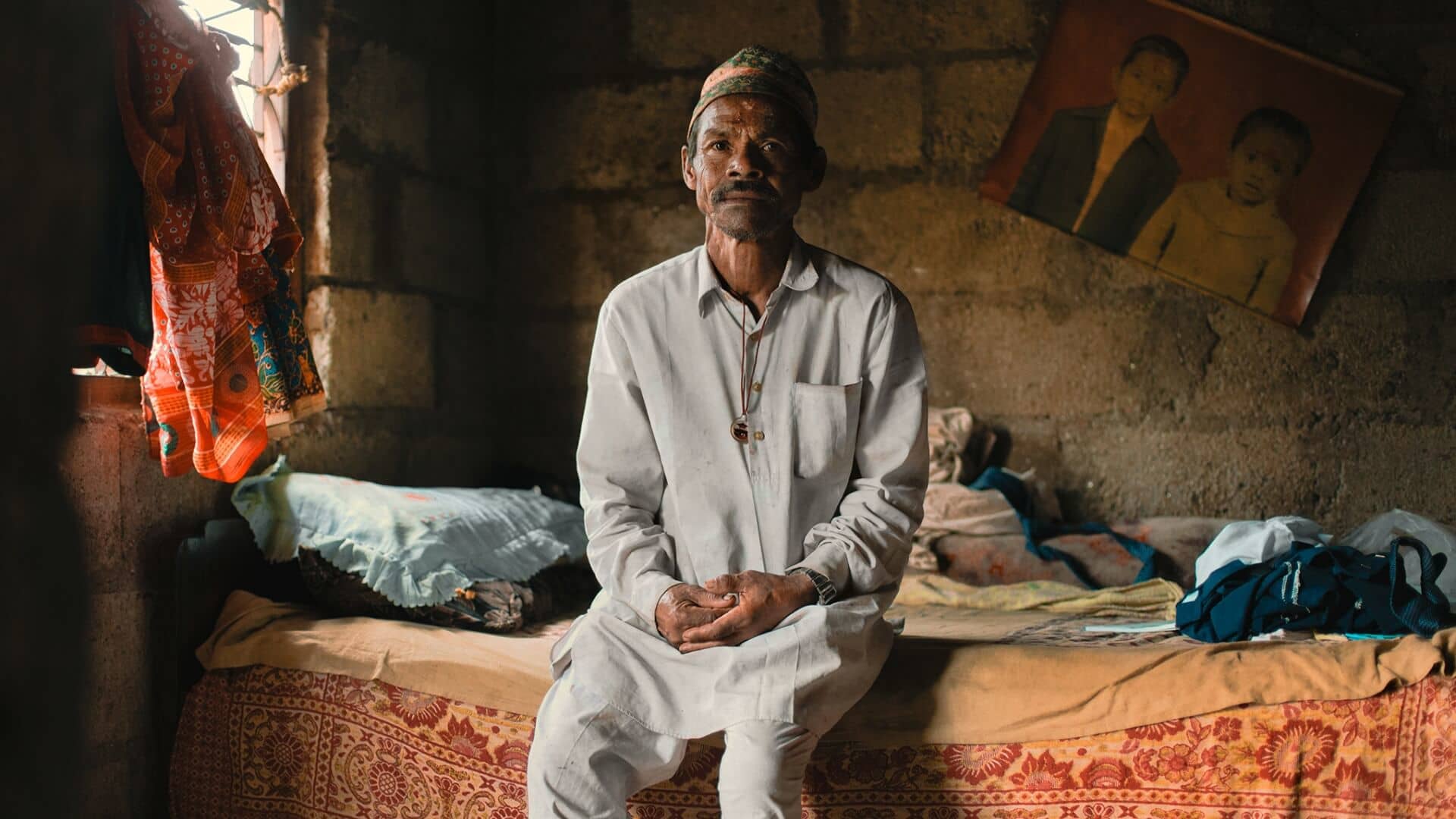




Life without Filters
- Sermon By: Indrajeet Pawar
- Categories: Stand Alone
Bible Passage: 2 Corinthians 12:7-10
I. Main Idea
In a world obsessed with image, power, and performance, Paul shows us the way of the cross—a life without filters. True strength is found not in projecting perfection but in embracing weakness and depending fully on God’s grace.
II. Key Background
1. Corinth was an ambitious, status-driven city—its people lived “filtered” lives, boasting in eloquence, wealth, and connections.
2. This culture had crept into the church—believers were boasting in leaders, gifts, tolerance, and success rather than in Christ.
3. Paul responds by turning boasting on its head—boasting not in achievement but in weakness, not in human effort but in divine grace.
2. This culture had crept into the church—believers were boasting in leaders, gifts, tolerance, and success rather than in Christ.
3. Paul responds by turning boasting on its head—boasting not in achievement but in weakness, not in human effort but in divine grace.
III. Key Verse (2 Corinthians 12:9)
“But he said to me, ‘My grace is sufficient for you, for my power is made perfect in weakness.’”
IV. The Six Lessons of “Life Without Filters”
1. God Bursts Our Boasting: God sometimes sends thorns—difficulties that deflate pride and deepen dependence (2 Cor. 1:9).
2. Experiencing Weakness Is Normal: Weakness is not failure but formation; Christians live in a fallen world but rely on divine strength (Eph. 6:12; Rom. 8:26).
3. Embracing Weakness Positions Us for God’s Power: Grace flows most fully where pride is absent. God’s “no” to Paul’s request was a “yes” to His power (2 Cor. 12:9).
4. Weakness Is Countercultural: The world glorifies success; the gospel glorifies surrender. Paul’s way is opposite to “might is right” and “if it feels good, do it” (Rom. 12:2).
5. The Cross—Weakness at the Heart of Faith: The Cross looked like defeat but was the ultimate display of strength—Christ’s weakness became our salvation (2 Cor. 13:4; Heb. 4:15–16).
6. Developing Habit—Carry the Cross Daily: The cruciform life means daily embracing weakness, humility, and dependence on Christ’s grace (Luke 14:27; Gal. 6:14).
2. Experiencing Weakness Is Normal: Weakness is not failure but formation; Christians live in a fallen world but rely on divine strength (Eph. 6:12; Rom. 8:26).
3. Embracing Weakness Positions Us for God’s Power: Grace flows most fully where pride is absent. God’s “no” to Paul’s request was a “yes” to His power (2 Cor. 12:9).
4. Weakness Is Countercultural: The world glorifies success; the gospel glorifies surrender. Paul’s way is opposite to “might is right” and “if it feels good, do it” (Rom. 12:2).
5. The Cross—Weakness at the Heart of Faith: The Cross looked like defeat but was the ultimate display of strength—Christ’s weakness became our salvation (2 Cor. 13:4; Heb. 4:15–16).
6. Developing Habit—Carry the Cross Daily: The cruciform life means daily embracing weakness, humility, and dependence on Christ’s grace (Luke 14:27; Gal. 6:14).
Takeaway:
Boast in the Lord, embrace your weakness, and trust His grace.